
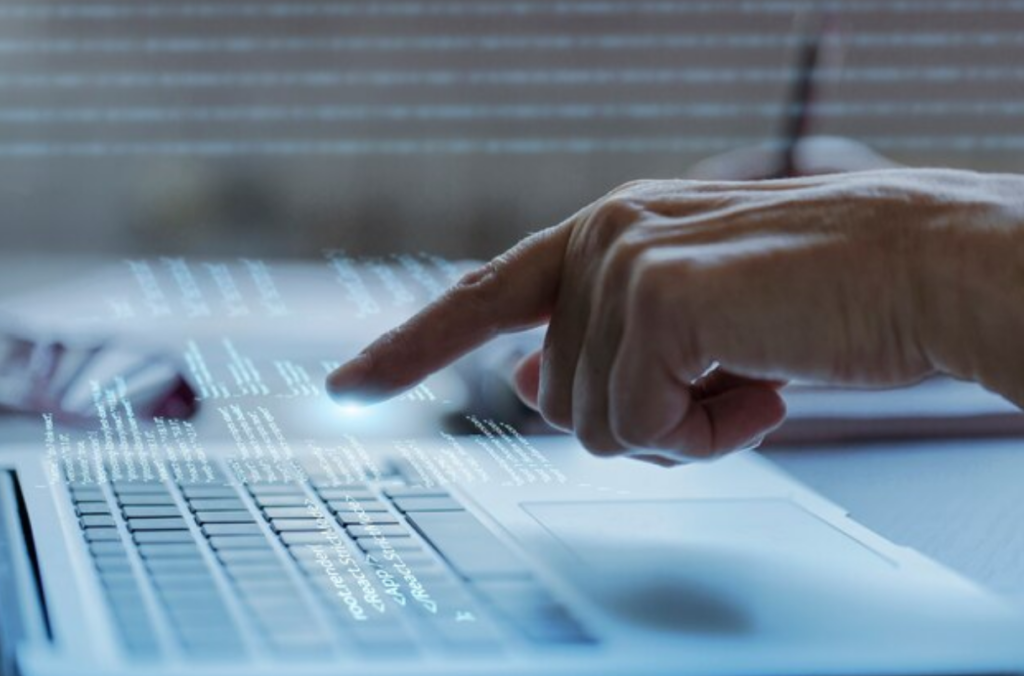
Data and Text Recognition has become a pivotal aspect of modern technology, with applications ranging from document processing to automated data extraction. In this comprehensive guide, we delve into the methods, algorithms, and technologies driving the advancements in text recognition.
What are the Methods of Text Recognition?
Understanding the diverse methods employed in text recognition is crucial for grasping its intricacies and potential applications.
- Optical Character Recognition (OCR): OCR stands as a foundational method, utilizing pattern recognition to identify and extract text from images or scanned documents. It transforms visual characters into machine-readable text.
- Natural Language Processing (NLP): NLP extends beyond simple character recognition, incorporating linguistic analysis to comprehend and interpret the context of the recognized text. This method enables more nuanced understanding and processing of language.
- Deep Learning Approaches: Leveraging neural networks, deep learning techniques have revolutionized text recognition. Convolutional Neural Networks (CNNs) and Recurrent Neural Networks (RNNs) excel in feature extraction and sequential data processing, enhancing accuracy.
- Handwritten Text Recognition (HTR): Specialized algorithms cater to the unique challenges posed by handwritten text. HTR systems use neural networks and advanced preprocessing techniques to decipher and transcribe handwritten content.
What is the Technology for Text Recognition?
The technology underpinning text recognition continually evolves, driven by advancements in machine learning and artificial intelligence.
- Machine Learning Algorithms: Machine learning algorithms play a central role in text recognition. Supervised learning, where models are trained on labeled datasets, empowers systems to generalize patterns and accurately recognize text.
- Convolutional Neural Networks (CNNs): CNNs, inspired by human visual processing, excel in feature extraction from images. In text recognition, CNNs analyze the visual components of characters, enhancing accuracy in identifying and classifying text.
- Recurrent Neural Networks (RNNs): RNNs, designed for sequential data, are pivotal in recognizing patterns within text. Their ability to maintain context over sequences makes them effective in understanding the structure of sentences and paragraphs.
- Natural Language Processing (NLP) Libraries: Utilizing NLP libraries, such as spaCy and NLTK, adds a semantic layer to text recognition systems. These libraries enable the extraction of meaningful information, facilitating a deeper understanding of the text.
Data and Text Recognition in Practice
Real-world applications of Data and Text Recognition showcase the transformative impact of these technologies.
- Document Processing and Management: Automated document processing streamlines workflows by extracting, organizing, and categorizing information from documents, reducing manual efforts and errors.
- Data Extraction in Finance and Healthcare: In finance, text recognition extracts valuable insights from financial documents. In healthcare, it aids in extracting patient information, facilitating efficient record-keeping.
- Smart Assistants and Chatbots: Integrating text recognition into smart assistants and chatbots enhances their ability to understand and respond to user queries, fostering more natural and interactive conversations.
- Enhancing Accessibility: Text recognition technologies contribute to accessibility by converting printed or handwritten text into digital formats, making information more accessible to individuals with visual impairments.
Challenges and Future Directions
While Data and Text Recognition technologies have made significant strides, challenges persist. Ambiguous fonts, diverse writing styles, and the need for large labeled datasets pose ongoing challenges.
The future holds exciting possibilities. Advancements in unsupervised learning, reinforcement learning, and the integration of multimodal data are expected to further refine and expand the capabilities of text recognition systems.
What the Expertify team thinks about this topic
The realm of Data and Text Recognition is marked by continuous innovation, fueled by advancements in algorithms, technologies, and the growing synergy with artificial intelligence. Understanding the methods, exploring the underlying technologies, and witnessing their real-world applications illuminate the transformative power of text recognition in the digital age.


